John Veverka
& Associates Interpretive Training Workshops and Seminars.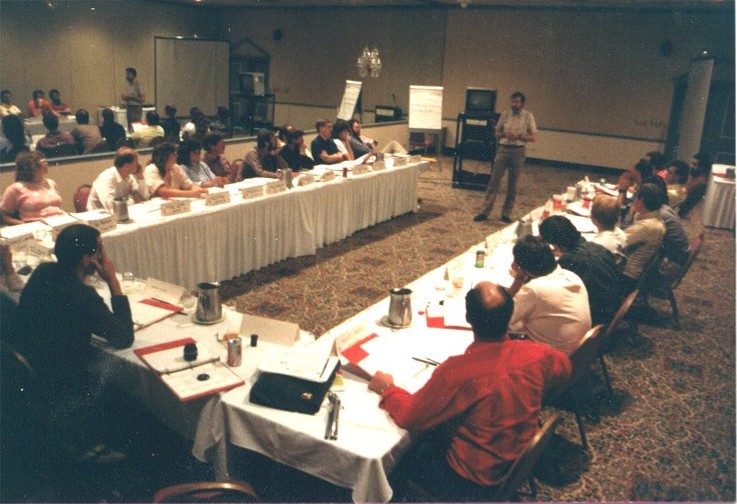
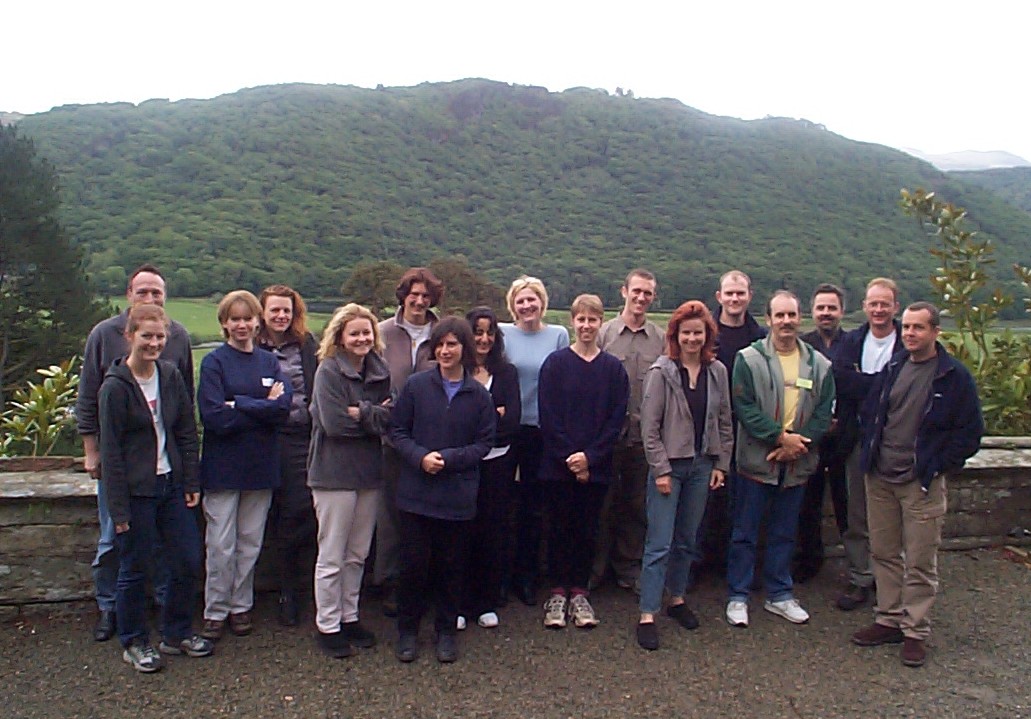
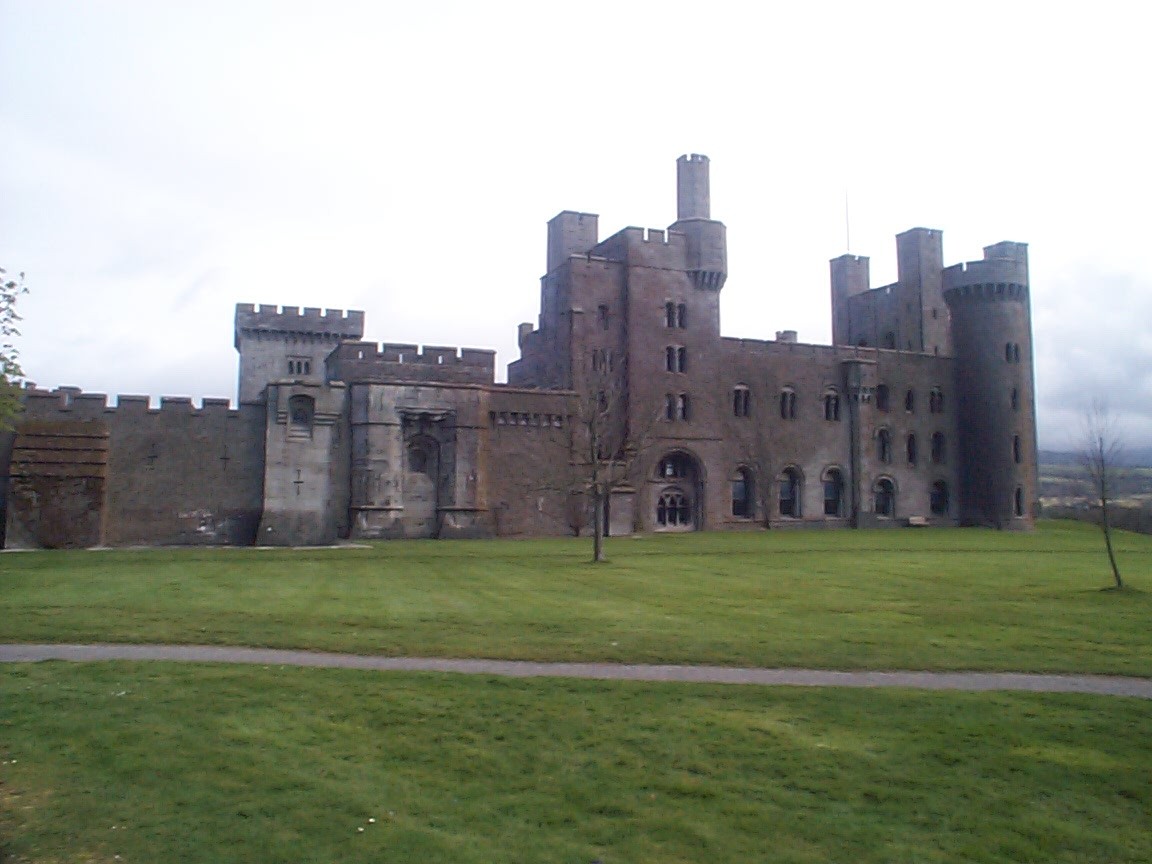
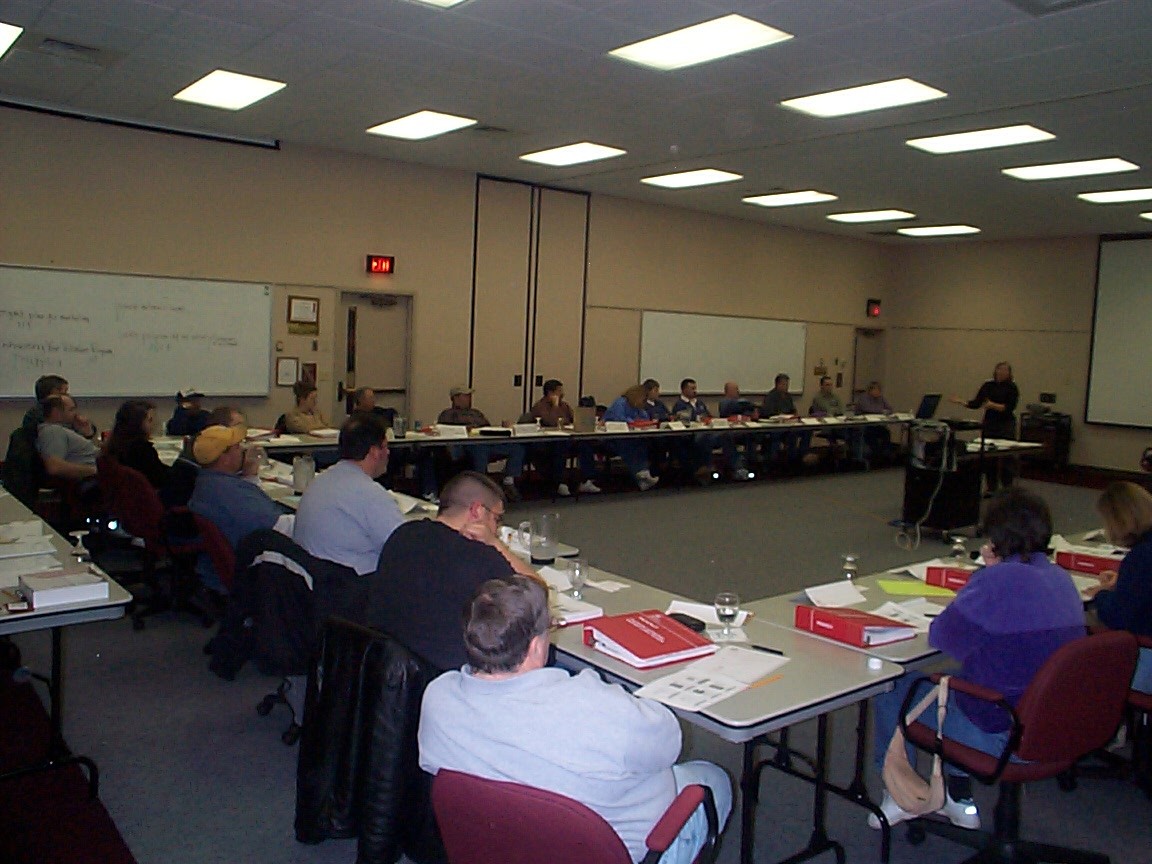
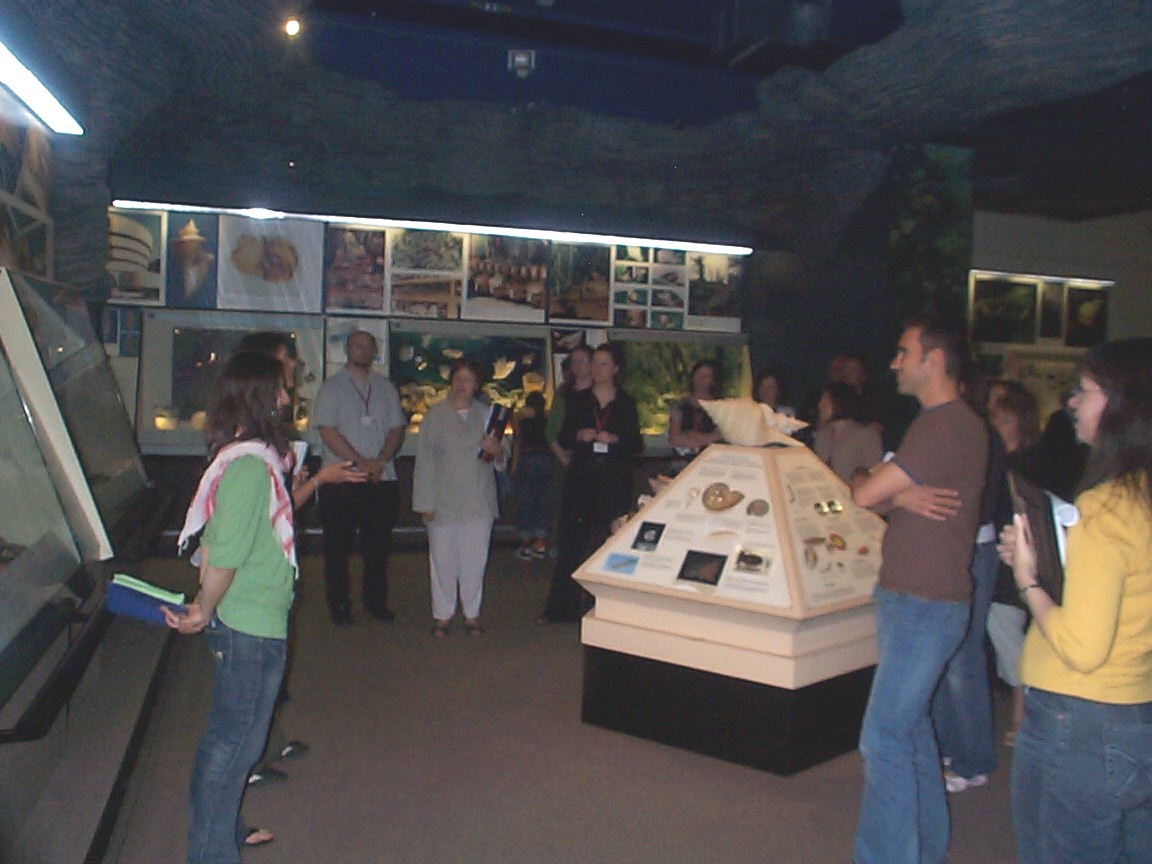
John Veverka has been providing interpreter training workshops (like the
"Interpretive Services" course for the US Army Corps of Engineers - above left and our Interpretive Master Planning
Course taught in Wales) for over 20 years. We have been selected to
teach the 2003 - 2007 Interpretive Services Courses
for the US Army Corps of Engineers at their National
Training Center in Huntsville, Alabama.
All of our workshops and courses are individually tailored to meet each clients
training course educational needs and objectives and to present the
"state-of-the-art" in interpretation planning, philosophies, techniques and
services. At JVA we keep the "cutting edge" of interpretation sharpened!!!
Some of our course offerings:
- Interpretive Master Planning
- Marketing for Interpretive and Heritage Tourism Sites and
Attractions
- Interpretive Services and Media Planning
- Interpretive trails planning and design
- Interpretive Exhibit Planning
- Developing interpretive publications
- Introduction to Interpretive Communications
- Planning and Designing Interpretive Panels.
All of our courses and training employ a "hands-on" and
"minds-on" approach to experiential learning. Any of these courses can be
developed for Natural History Sites, Historic Sites, Heritage Tourism, Zoos, Botanical
Gardens, Industrial Interpretation, etc.
Our courses are "product" based so that the
participants leave with more than just ideas. A good example of this is our
Interpretive Panels course.
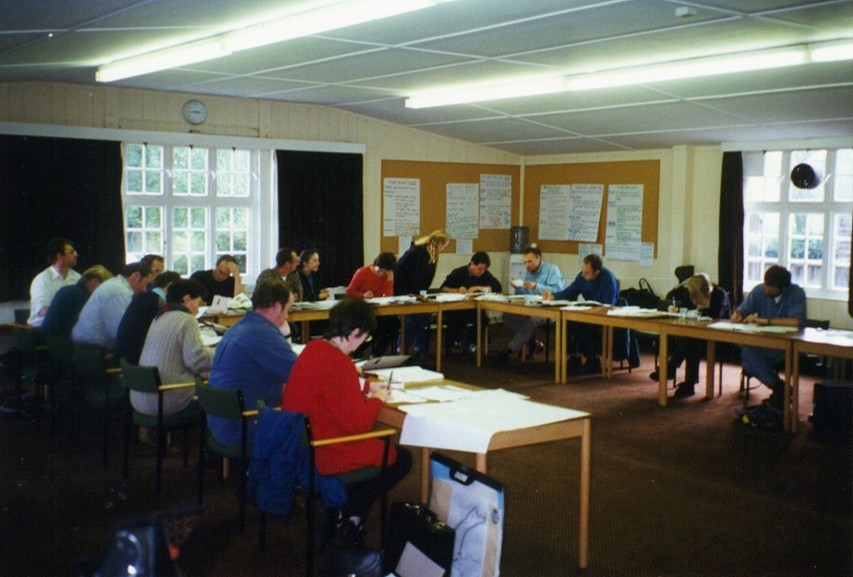
Interpretive Panels Course in Sussex England.
In our 3-day long "Interpretive Panels Course" participants not only learn
about interpretive planning for their panels (top photo), but also do draft mock-ups of
interpretive panels for real projects they brought to the course with
them to work on (bottom photo).
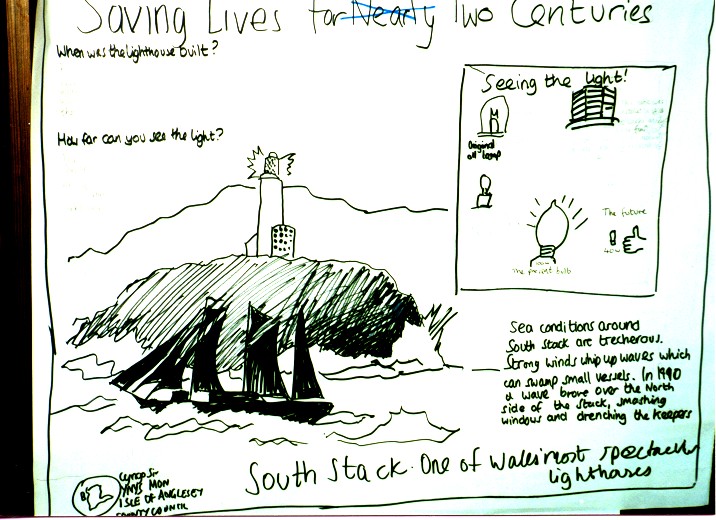
These "rough drafts" are developed in the course, go through critiques of
text and content, then taken back with participants. These drafts can be given
to graphic designers or panel design firms to clean up and produce final outdoor panels.
Click
HERE for a copy of our handout article on developing interpretive panels (published in
the Society for the Interpretation of Britain's Heritage Journal, 1998).
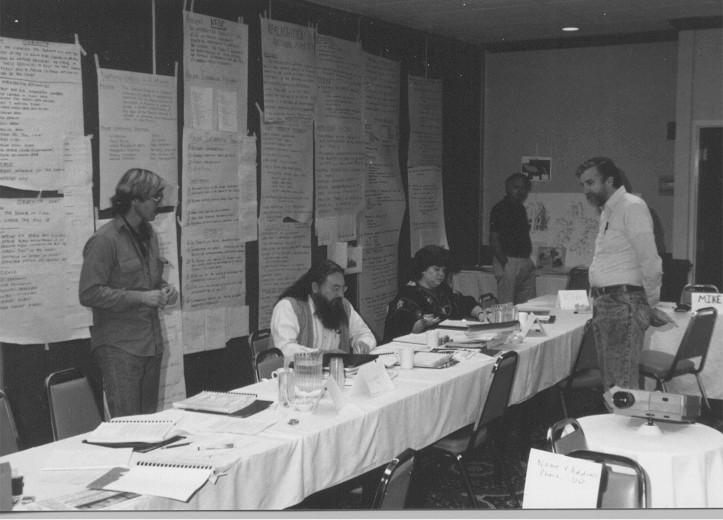
Our workshops and seminars WORK! With our
hands on approach to learning, our participants work hard during training, like in this
3-day Interpretive Master Planning course conducted for the US Forest Service (photo
below).
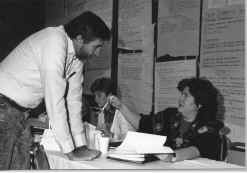
We try to keep our training classes small (under 30) so that we
can give lots of "individual project attention" (above photo - Master Planning
Course).
We offer training from one day workshops, to 2 and 3 day
seminars. We also award CEU's (Continuing Education Units) for our
2 and 3 day courses.
For more information on our training courses just send me an E-Mail with your course
needs and your phone number and I will contact you right away. Note: we usually book
training courses several months in advance so check with us to make sure that your
"dates" are open.
Listed below are some of the clients we have
provided interpretive training courses and workshops for.
Crossroads Village, Flint, Michigan
Riverside County Parks, California
Commonwealth of Virginia, State Parks Division
Catoctin Mountain Zoological Park, Maryland
Lake MetroParks, Kirtland, Ohio
New York State Parks
US Forest Service Intermountain Region, Utah.
Eldorado National Forest, California.
US Army Corps of Engineers
University of Calgary, Alberta, Canada (Instructor).
US Forest Service, Region 5, Lake Tahoe, CA
National Association for Interpretation, Region 8, California.
Monongahela National Forest, W. Virginia.
Ozark-St Francis National Forests, Russellville, Arkansas.
National Association for Interpretation, Region 5 (Illinois).
US Forest Service, Prescott National Forest, Arizona.
California Department of Fish and Game, Natural Heritage Division.
Mattlaei Botanical Gardens, University of Michigan.
Bureau of Land Management, Colorado State Office.
Bureau of Land Management, Utah State Office
National Association for Interpretation, Great Lakes Region (Indiana).
Center For Environmental Interpretation, The Manchester Metropolitan University, UK.
Bureau of Land Management, Phoenix Training Center, Arizona
US Forest Service, Region 1, Missoula, Montana.
Scottish Natural Heritage, Perth, Scotland.
European Centre for Professional Training in Environment and Tourism, Spain.
Stanislaus National Forest, Sonora, CA.
Hiawatha National Forest, Michigan.
Leslie Science Center, Ann Arbor, MI
St. Lawrence Aquarium and Ecological Center, Massena, NY
California State Parks
Institute for Agricultural Biodiversity, Decorah, Iowa
St. Joseph County Parks, Indiana.
US Fish and Wildlife Service, Hadley, MA.
Taegu University, S. Korea.
Minnesota Department of Natural Resources, Parks Division.
Montana Museums Association
National Trust for Historic Preservation – Heritage Tourism Office.
Iowa Department of Economic Development.
The Forestry Commission (England, Scotland and Wales), UK.
The Association of Scottish Visitor Attractions
Columbus Metro Parks, Ohio.
National Tropical Botanical Garden, Kauai, Hawaii.
Wisconsin Department of Natural Resources, Parks Division.
The Nature Center, City of Madison Heights, Michigan.
Mackinac Island State Park Commission, Michigan
Shetland Amenity Trust, Shetland Islands, UK.
County of Santa Clara, California
Ohio State Parks
Malabar Farm (Ohio State Park), Pleasant Valley, Ohio.
Interpretation Canada (many conferences).
Mississippi Museum of Natural Science, Jackson, Mississippi.
Illinois Heritage Tourism Institute 97, Bloomington, IL.
Summit County Metro Parks, Toledo, Ohio.
Illinois Department of Natural Resources, Office of Land Management and Education.
Historic Landmarks Foundation of Indiana.
Illinois Heritage Institute 98, Bloomington, IL.
Snowdonia National Park Study Center, Wales (many courses each year).
New York University, Heritage Tourism Division.
If you would like more information or have any questions, feel free to contact
me.
jvainterp@aol.com