|
Interpretive Consultants For the Cutting edge in Heritage Interpretation Interpretive Planning, Training, Evaluation and more! World Wide 2069 Ashland Ave, Okemos, Michigan 48864 (517) 347-2166 FAX (517) 347-2064 jvainterp@aol.com
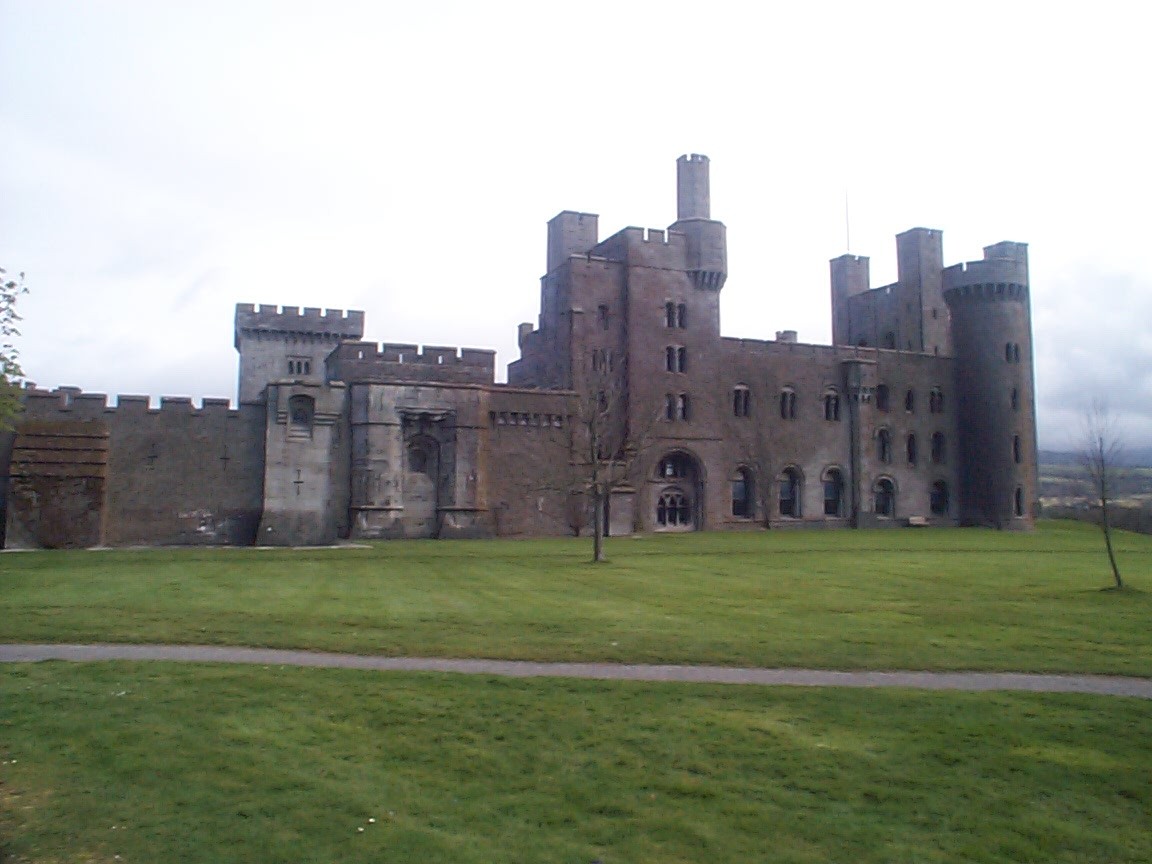
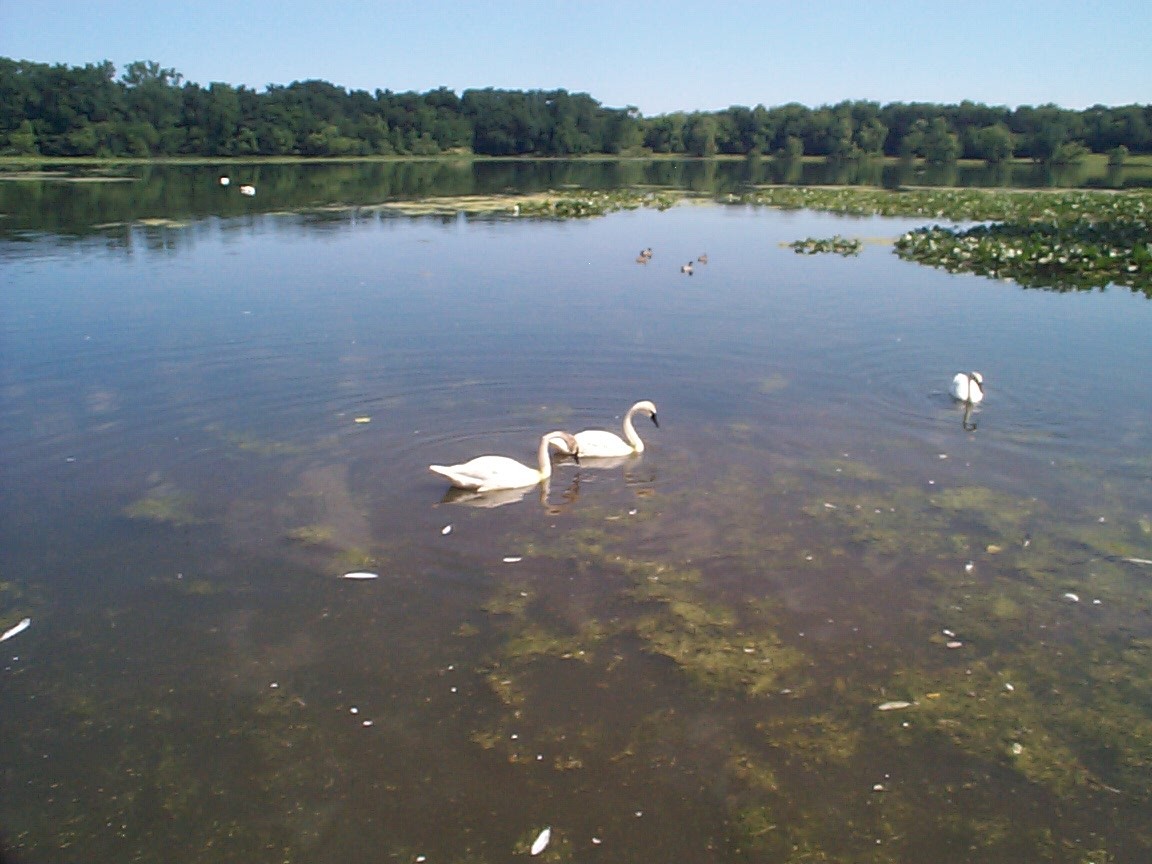
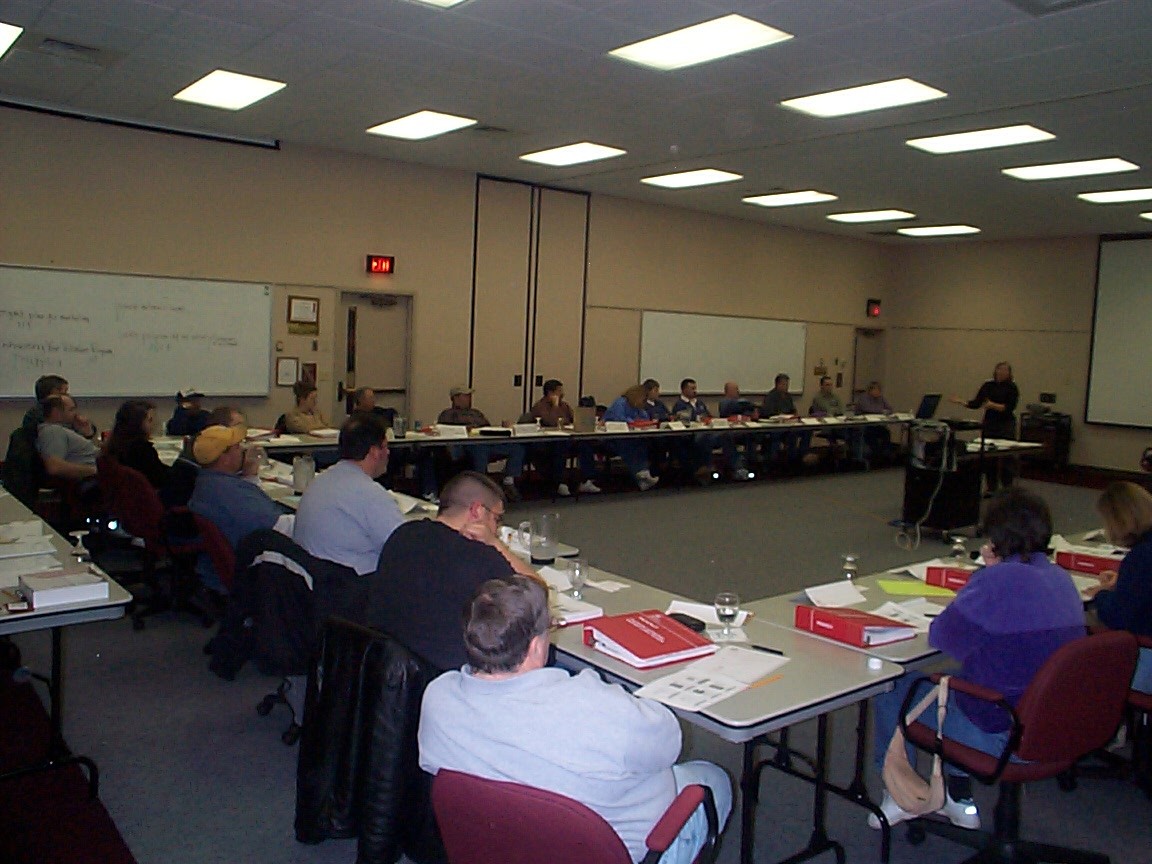
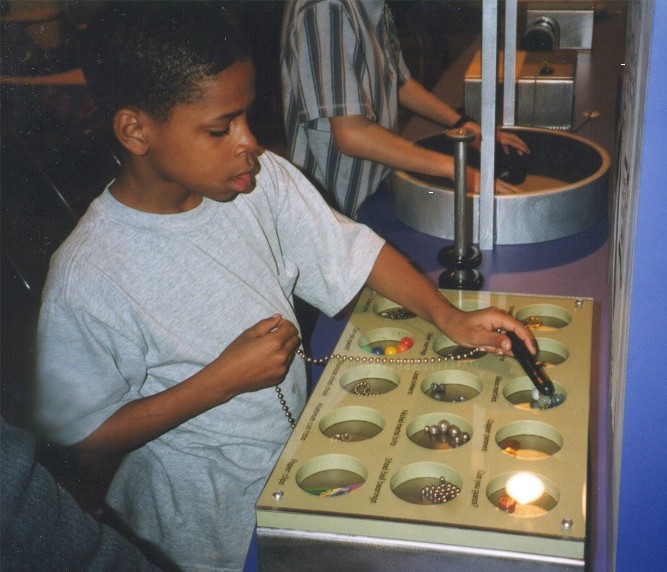
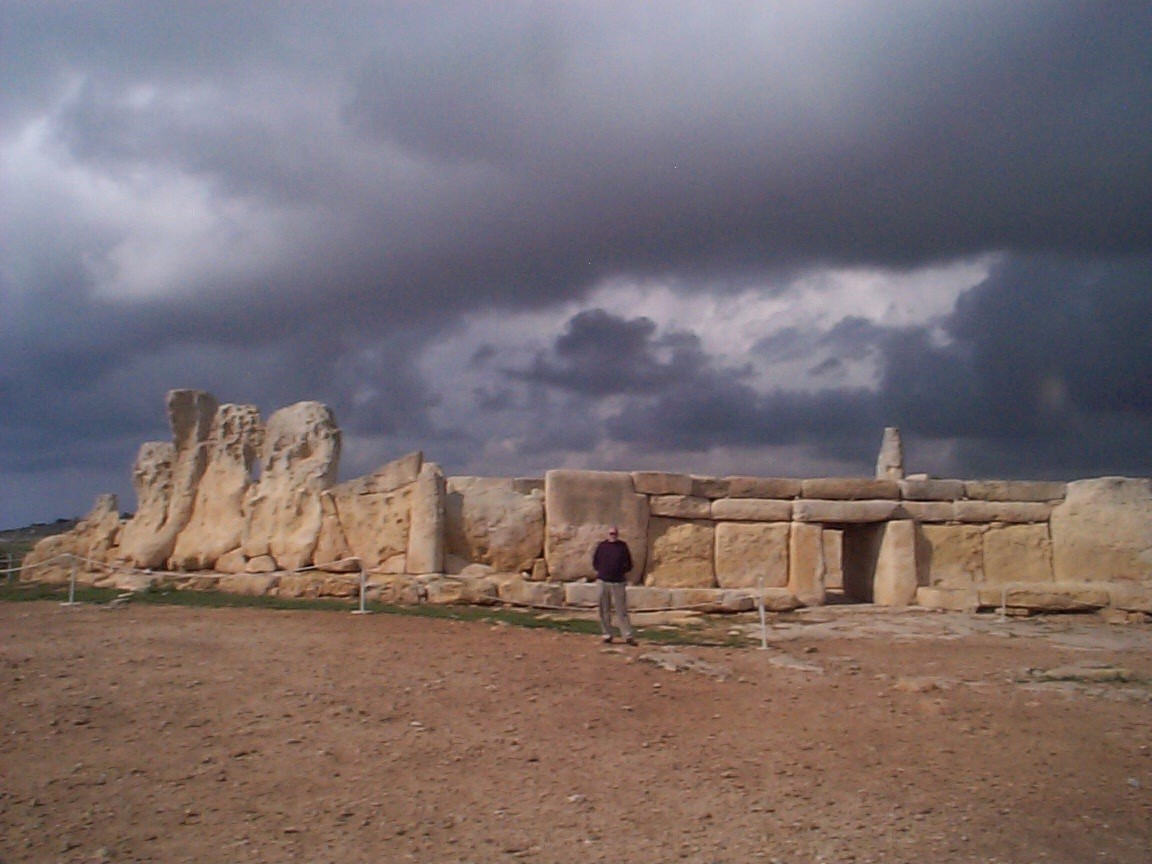
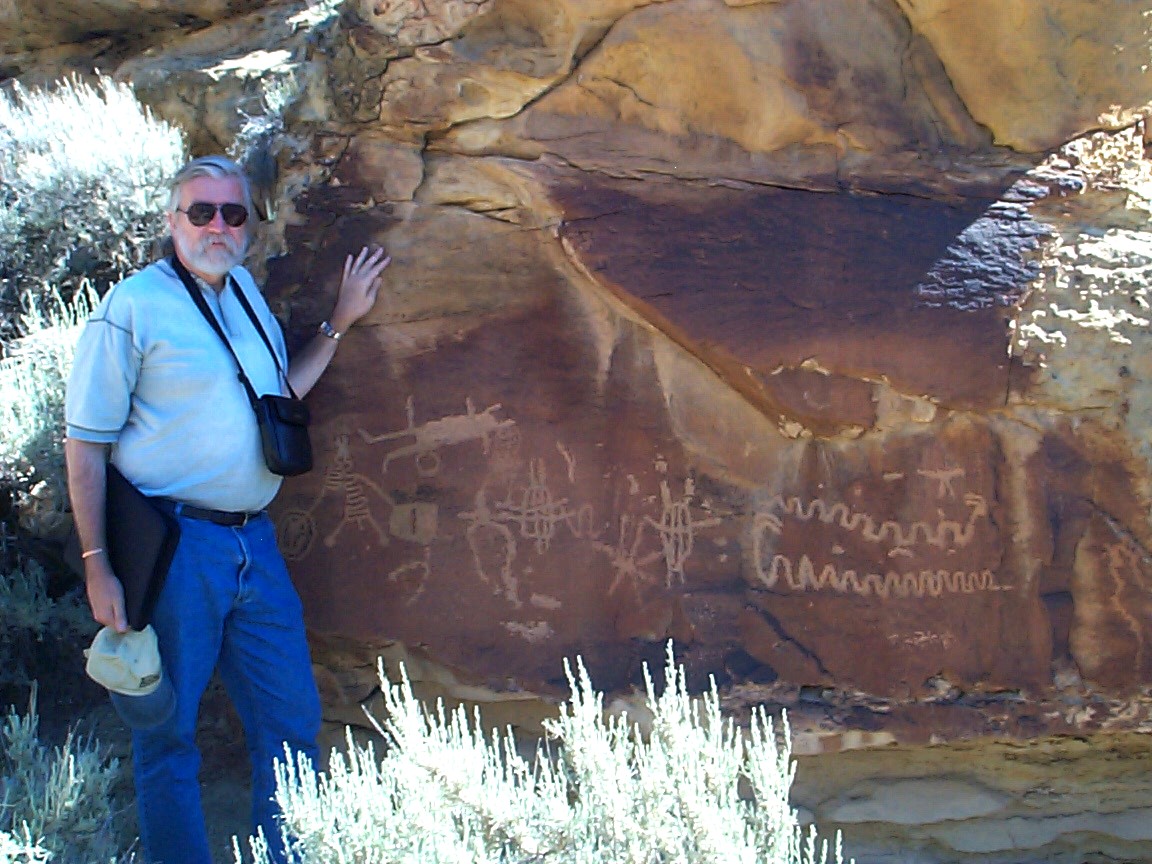
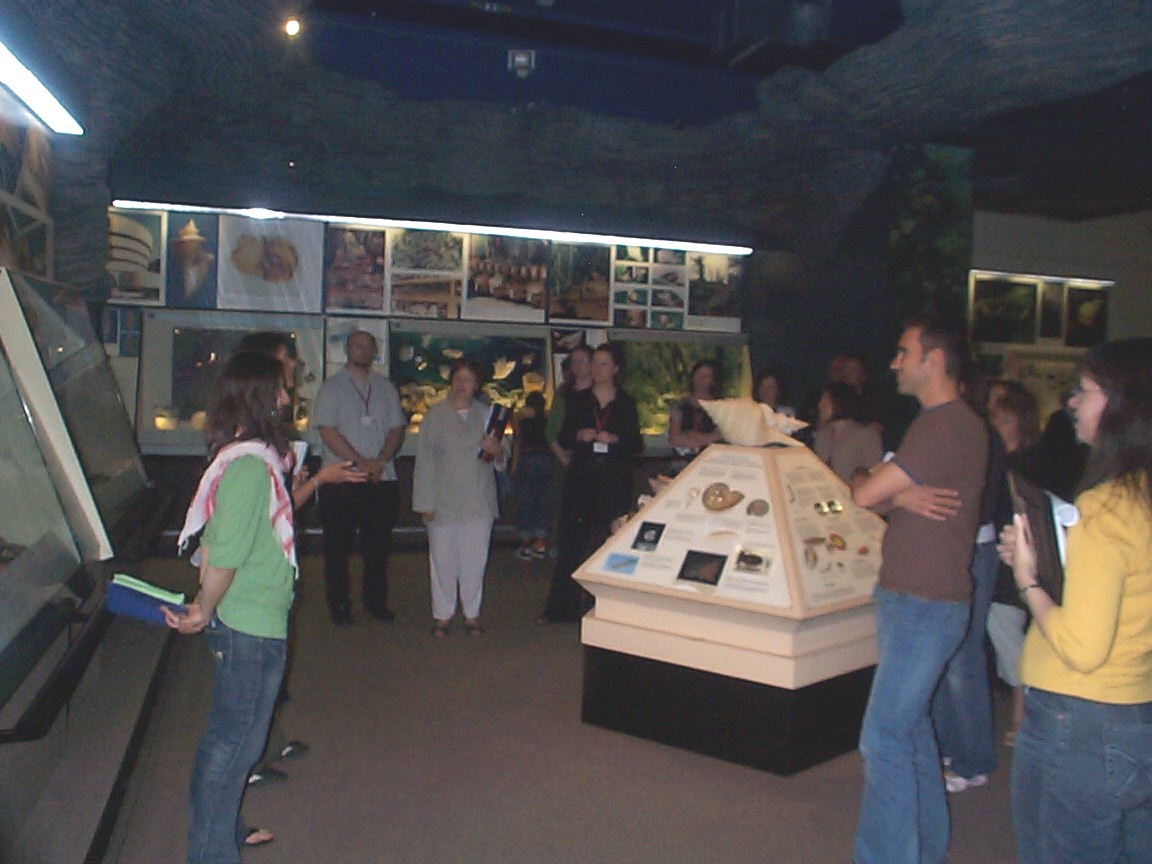
From interpretive planning for castles in Wales for the National Trust and bird sanctuaries in Michigan for the Kellogg Biological Station, to interpretive training in Alabama for the US Army Corps of Engineers, and museum exhibit evaluation in Wisconsin - (bottom row) and critiquing ancient temples interpretation on Malta for Malta Heritage, prehistoric archaeological site interpretation in Utah for Nine Mile Canyon/BLM, and docent/interpretive staff training for the National Museum of Wales in Cardiff, we do that - and more! Heritage Interpretation: Interpretive Planning, Training and Consultation Services Serving Parks, Museums, Historic Sites, Zoos & Botanical Gardens, Heritage Tourism Sites and Facilities, Commercial Tourism Attractions, and related interpretive sites and facilities - WORLD WIDE |
|
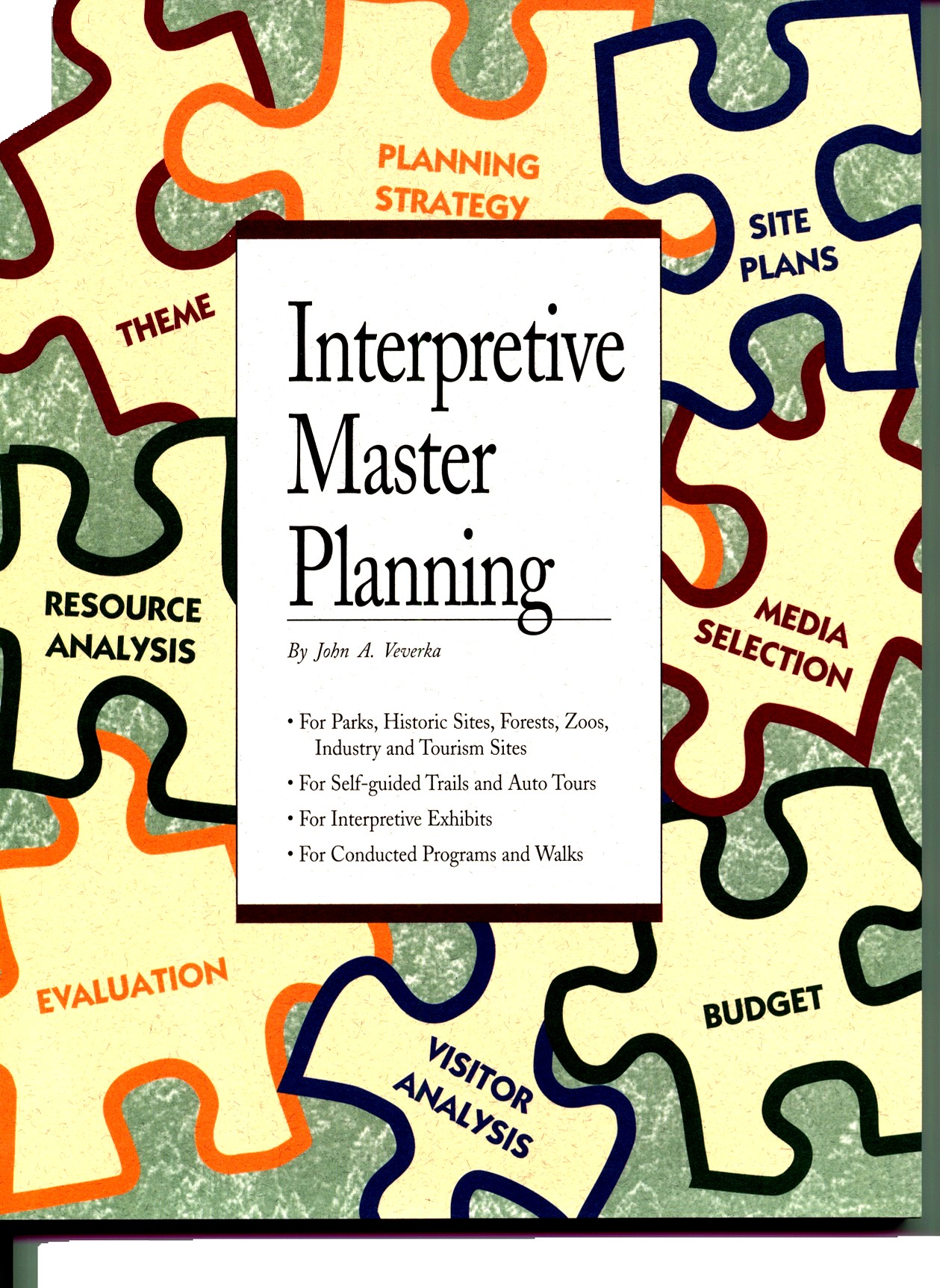
INDEX Find out more about our services: Interpretive Master Planning Text Book Interpretive Training Services Note: each new page has the same JVA header - scroll down for that pages info. :)
|
Interpretive Communication The Key to Successful Heritage Tourism Marketing Planning and Program Design John A. Veverka Heritage Tourism/Interpretation Planner You already know what Interpretive Communications is! You have seen it on TV, heard it on radio, and seen it used in magazine advertisements. So why dont you recognize it? Interpretation is the most powerful communication process we have available to us to communicate to our market groups with! Are you "provoked" to learn more? Good! Thats one of the first principles of interpretation. Interpretation as a profession began back in the 1950s in the National Park Service. The guiding principles of interpretation were penned by Freeman Tilden in his book Interpreting our Heritage (1957) and became the communication strategy used by Park Service naturalists (now called interpreters) in conducting their public tours and programs. Interpretation is defined as: a communication process designed to reveal meanings and relationships of our natural and cultural heritage, to the public (or our visitors), through first hand involvement with objects, artifacts, landscapes or sites. Today interpretive communication strategies are used by educators, interpreters, and communication professional working in a wide range of visitor contact areas such as museums, zoos, botanical gardens, parks, historic sites, urban interpretive sites, factories, scenic byways any place we want to interpret the story or essence of a site to visitors. Professional interpreters translate the story of an artifact, site or other related message from the language of the expert to the language of the visitor. And this is where interpretations role and its key importance to heritage tourism begins. In interpretation, the structure of the interpretive communication, from live program to brochure or exhibit design, follow this simple, yet powerful strategy. The message must:
These are the guiding "interpretive principles" in constructing an interpretive message. This format for communication success should sound familiar. It is the message structure for a "Paul Harvey Rest of the Story", and the communication structure for almost all advertisements you have ever seen. In commercial terms, this communication process tells you:
Interpretation for Heritage Tourism Planning. Based on the interpretive principles, interpretive planners also have a formal planning model for success again also used in marketing and advertising. In simple terms, our planning format considers: What? - is the story, site, or message to be interpreted to visitors. Why? what are the specific objectives (learn, feel, do) that the interpretive message(s) is being designed to accomplish? Who? are our target markets, what are their interests, demographics, visitation or use patterns, what are they "looking for" in a heritage tourism setting. What will be required for the story presentation to "relate" to these specific audiences? Media What kinds of interpretive programs and services will we need (live historical interpreters, guides, self-guiding leaflets, audio cassette tapes, visitor center exhibits, etc.? Implementation and Operations What will it cost, what will it take to implement the marketing or programs, who will do it, etc. So What? Evaluations, pre-testing, feedback. Were the objectives accomplished (was the marketing, programs, tours, etc. successful why or why not?). The two key questions in developing heritage tourism programs or services for the public. We often forget that we are developing heritage tourism opportunities for visitors. It is important to understand them as well as we understand the individual sites we want to attract them to. In marketing and planning heritage tourism opportunities, we have to ask:
As we look at these two questions, the first question reflects back on our interpretive principles of provoke and relate. If visitors arent interested in learning about historic forts, or the sites along a scenic by-way they wont want to do the experience. Interpretation works to "create interest" and tell the visitor how they will BENEFIT from it. They would "want to know this information" because they will get a return on their investment of time, money, and recreational learning. The second question is one of product what do you want in return for your heritage interpretation/tourism investment? Do you want visitors to stay longer, buy items from gift shops, gain support for preserving important sites, get visitors to become volunteers, encourage visitors to use the site in a safe and stewardship-like manner? There are no "right" answers to these two questions. The answer will differ depending on your site or project. But the answers are important in planning your total heritage tourism marketing and presentation efforts.
The Product of the Product! This is another key element for interpretation helping to make heritage tourism efforts successful. The product of the product is a main planning concept for any heritage tourism marketing plan, and interpretive program/services planning. By selling the product of the product you put the context of the message in terms that the targeted user will better understand. For example:
Summary In this short paper I have provided a brief overview of the importance of interpretive communications to any heritage tourism effort. It is interpretive communications that speaks directly to and with the visitor. Interpretation helps visitors to understand, appreciate, value, and care for our (their) cultural and natural heritage. It provides the visitors with relevance, and makes them feel a part of the experience. A "historic" home with out interpretation is just an "old" home. A Scenic By-way, without interpretation, is just a road. Interpretation gives heritage sites life, and visitors a story to experience and feel good about. Having interpretation as a key part of any heritage tourism effort isnt just desirable you probably cant have a truly successful heritage tourism program without it! Hopefully this paper has provoked you to want to learn more about and use interpretation, related to you specific reasons why you need it, and revealed the many benefits you will gain from using it. After all: Interpretations product is YOUR success! John Veverka & Assoc. PO Box 189, Laingsburg, MI 48848 (517) 651-5441 jvainterp@aol.com
|